Understanding the Critical Role of Insulation in HVAC Efficiency
Proper insulation serves as the foundation for any efficient heating and cooling system. When we assess homes throughout the Sierra Nevada foothills and the surrounding areas, we consistently find that inadequate insulation accounts for up to 30% of energy loss in residential properties. Your HVAC system works harder than necessary when conditioned air escapes through poorly insulated walls, attics, and crawl spaces. This increased workload translates directly into higher utility bills and premature equipment wear.
At Heat and Air Solutions Inc., we approach insulation as an integral component of overall HVAC performance. Our comprehensive energy assessments reveal that homes with proper insulation levels can reduce heating and cooling costs by 20-40% annually. We utilize advanced thermal imaging technology to identify insulation gaps and areas where heat transfer occurs most significantly. These diagnostic tools allow us to create targeted insulation strategies that complement your existing or new HVAC equipment for maximum efficiency.
Types of Insulation and Their Applications
Different areas of your home require specific insulation solutions to achieve optimal thermal resistance. Fiberglass batt insulation remains popular for wall cavities and floor joists, offering R-values between R-2.9 and R-3.8 per inch of thickness. This material provides excellent sound dampening properties while maintaining cost-effectiveness for large-scale applications. We often recommend fiberglass batts for accessible attic spaces and unfinished basements where installation complexity remains minimal.
Blown-in cellulose insulation excels in retrofitting existing homes where wall access proves challenging. This recycled paper product treated with fire retardants achieves R-values of approximately R-3.7 per inch while filling irregular spaces and gaps that traditional batts cannot reach. Our installation process involves drilling small access holes that we carefully seal after dense-packing the material, ensuring complete coverage without major renovation disruption.
Spray foam insulation represents the premium solution for air sealing and insulation combined. Closed-cell spray foam delivers R-values of R-6 to R-7 per inch while creating an impermeable air barrier that prevents moisture infiltration. We frequently apply spray foam in crawl spaces, rim joists, and cathedral ceilings where both insulation and air sealing prove critical for comfort and efficiency.
Integration with HVAC System Design
Our technically advanced HVAC system design software calculates heat load requirements based on your home’s insulation levels, ensuring properly sized equipment installation. Oversized systems cycle frequently, creating temperature fluctuations and humidity control issues, while undersized units run continuously without maintaining comfort. Accurate insulation assessment allows us to specify Bryant heating and cooling systems that match your home’s actual needs precisely.
We evaluate existing insulation before any major HVAC upgrade or replacement. Adding insulation often reduces the required equipment capacity, potentially saving thousands on initial investment while delivering superior comfort. Our load calculations consider factors including insulation R-values, air infiltration rates, window specifications, and solar heat gain to determine optimal system sizing.
Common Insulation Problems We Address
During our inspections in Applegate, Rocklin, Grass Valley, Meadow Vista, and Auburn, CA, we encounter several recurring insulation issues that impact HVAC performance:
- Compressed or settled insulation in attics: reducing effective R-values by up to 50%
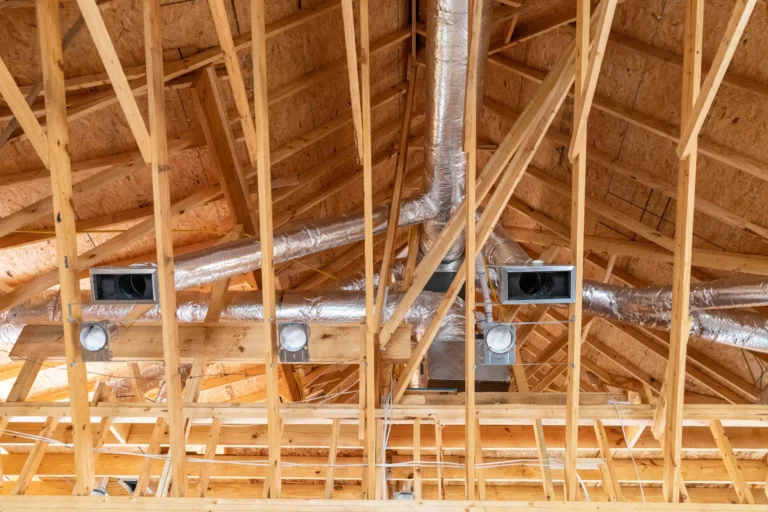
- Missing insulation around ductwork: causing significant energy loss in unconditioned spaces
- Inadequate vapor barriers: leading to moisture accumulation and reduced insulation effectiveness
- Thermal bridging through studs and joists: creating cold spots and comfort issues
- Air gaps around penetrations: allowing unconditioned air infiltration
These problems often develop gradually, making them difficult for homeowners to detect without professional assessment. Our comprehensive evaluations identify these issues before they escalate into major comfort complaints or equipment failures.
Investment Returns and Long-Term Benefits
Insulation improvements typically pay for themselves through energy savings within three to seven years, depending on existing conditions and local utility rates. Beyond immediate cost savings, proper insulation extends HVAC equipment lifespan by reducing operational stress. As a Bryant Factory Authorized Dealer representing over a century of heating and cooling excellence, we understand that even premium equipment requires proper building envelope performance to deliver expected efficiency ratings.
Enhanced insulation also improves indoor air quality by reducing infiltration of outdoor pollutants and allergens. Combined with our indoor air quality solutions, proper insulation creates healthier living environments while maintaining consistent temperatures throughout your home. We provide clear explanations about how insulation upgrades complement other services like duct sealing and whole house fans to create comprehensive comfort solutions.
Our commitment to honest, transparent pricing means we only recommend insulation improvements that deliver measurable benefits. We offer flexible financing options for complete insulation and HVAC system upgrades, making energy efficiency accessible regardless of budget constraints. Every recommendation includes detailed cost-benefit analysis helping you make informed decisions about your home’s comfort and efficiency investments.